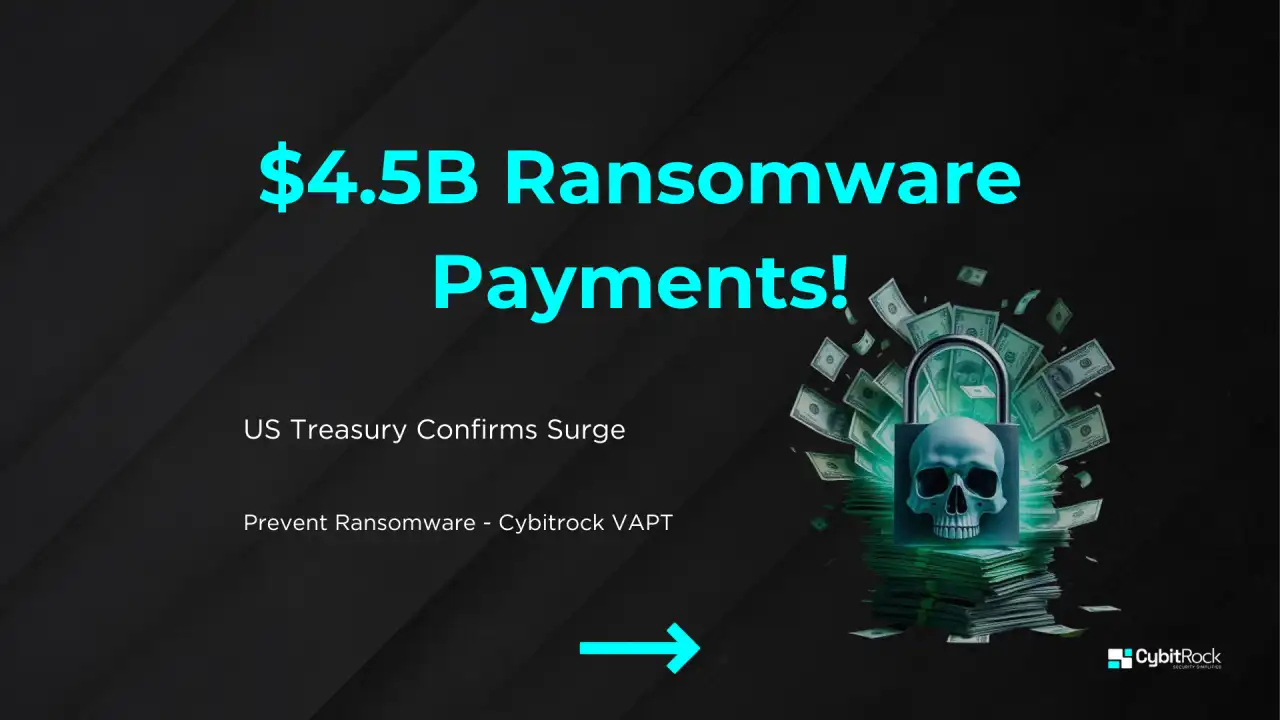
US Treasury data confirms ransomware payments crossed $4.5 billion total, with 2023 alone accounting for $1.1 billion across 1,512 incidents. LockBit, BlackCat and Conti variants collected the lion’s share, often from healthcare and manufacturing firms paying 5-10 million per attack. CEOs, this isn’t random crime anymore. It’s a profitable industry targeting predictable victims.
The Payment Math That Keeps Attackers Winning
The numbers reveal patterns your CISO might gloss over. Average payments climbed 20% year-over-year to $1.5 million, but 80% of total dollars came from 100 large victims. Groups like LockBit 5.0 now offer tiered pricing: $500K for quick decrypt, $5M+ for data destruction avoidance, with geofencing to hit US/EU firms hardest.
Key insight: attackers prioritize recoverable sectors. Healthcare pays 78% of demands (average $4.2M), manufacturing 65% ($2.8M). They know your downtime costs exceed ransom. Boards see insurance cover 60% of payments, creating a moral hazard where paying feels rational.
Why Payments Fuel Evolution, Not Extinction
Each payout funds better tools. LockBit 5.0’s exposed infrastructure shows XChaCha20 encryption 3x faster than prior versions, ESXi support for virtualization farms, and AI-driven evasion beating EDR signatures. The learning? Your $10M payment yesterday buys the exploit hitting your peer tomorrow.
For CTOs, this means static defenses lose to funded attackers. One breached endpoint now triggers multi-million extortion chains your insurance might decline mid-2026.
Cybitrock VAPT Breaks the Payment Cycle
We test where ransomware lands first, preventing the breach economics:
- Network Penetration uncovers RDP, VPN and lateral movement paths attackers exploit.
- Cloud Testing hardens S3 buckets, Azure blobs and backup misconfigs ransom groups love.
- API Penetration blocks token abuse leading to full environment encryption.
- Web & Mobile App Testing finds phishing entry points and exposed admin portals.
- Source Code Review eliminates hardcoded creds and unsafe deserialization in custom apps.
- IoT Device Testing secures overlooked OT/SCADA systems attackers use for persistence.
Our simulations prove breach costs exceed any ransom, with fixes that survive ransomware evolution
.
Three Decisions Boards Make Today
Audit insurance ransomware clauses – many exclude repeat victims. Run Cybitrock VAPT targeting payment-triggering vectors, not generic scans. Build “no pay” resilience through segmented backups and air-gapped recovery.
Ransomware isn’t going away. $4.5B proves attackers adapt faster than victims pay. Test aggressively or join the statistics.